Classic Pasta alla Norma Recipe – Authentic Sicilian Dish
Pasta alla Norma is more than just a pasta dish; it’s a symphony of simple, sun-kissed Sicilian flavors that have captured hearts worldwide. When I first encountered this culinary masterpiece, I understood instantly why it’s a beloved classic. There’s a certain magic that happens when perfectly cooked pasta meets tender, fried eggplant, all brought together by a vibrant tomato sauce and a generous dusting of salty ricotta salata. It’s the kind of meal that transports you straight to the Mediterranean, even on a busy weeknight. What makes Pasta alla Norma so incredibly special is its ability to elevate humble ingredients into something truly extraordinary. The sweetness of ripe tomatoes, the slight earthiness of the eggplant, and the sharp, salty counterpoint of the cheese create a perfectly balanced bite every single time. It’s a testament to the power of good, honest cooking.
Pasta alla Norma
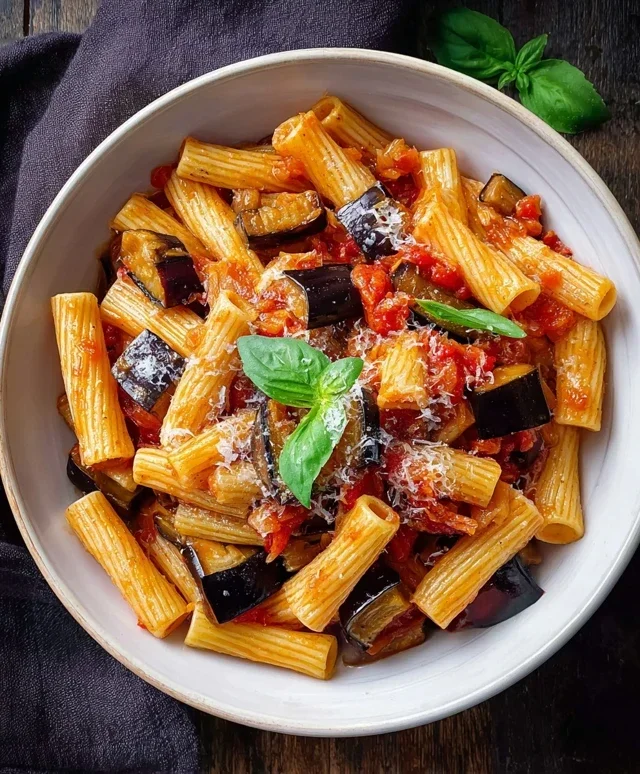
Pasta alla Norma is a classic Sicilian pasta dish that embodies the vibrant flavors of the Mediterranean. Its name, reportedly, comes from a famous opera, suggesting its unparalleled deliciousness. This dish is a celebration of simple, high-quality ingredients: tender fried eggplant, a rich tomato sauce infused with garlic and basil, and the crowning glory of salty ricotta salata. It’s a dish that feels both rustic and elegant, perfect for a weeknight meal or a special occasion. The beauty of Pasta alla Norma lies in its simplicity, allowing the natural sweetness of the tomatoes and the creamy texture of the eggplant to shine. Mastering this dish is about understanding how to coax the best out of each component.
Ingredients:
Cooking Instructions:
Preparing the Eggplant: The Heart of the Dish
The eggplant is arguably the star of Pasta alla Norma. For the best results, it’s crucial to prepare it correctly to avoid an oily or mushy texture. Begin extract by trimming the ends of the eggplants. Then, slice them into roughly 1/2-inch thick rounds or cubes, depending on your preference. Traditionally, rounds are used, but cubes can also work beautifully and absorb the sauce wonderfully. Once sliced, place the eggplant pieces in a colander set over a bowl. Sprinkle them generously with salt, ensuring each piece is coated. This salting process draws out excess moisture and any potential bitterness from the eggplant. Let the eggplant sit for at least 30 minutes, or even up to an hour. You’ll notice beads of water forming on the surface – this is exactly what you want! After the resting period, rinse the eggplant thoroughly under cold water to remove the salt, and then pat each piece completely dry with paper towels. This step is non-negotiable; thoroughly drying the eggplant will ensure it fries up beautifully and doesn’t steam in the pan.
Frying the Eggplant to Golden Perfection
Now comes the satisfying part: frying the eggplant. In a large skillet, heat the 1/3 cup of extra virgin extract olive oil over medium-high heat. You want enough oil to generously coat the bottom of the pan, allowing the eggplant to crisp up rather than soak up oil like a sponge. Once the oil is shimmering, carefully add the dried eggplant pieces in a single layer. Don’t overcrowd the pan; you may need to fry the eggplant in batches to achieve a nice, even golden-brown crust. Fry each side for about 3-5 minutes, until they are tender and have a lovely, slightly crispy exterior. As the eggplant pieces are done, remove them from the skillet with a slotted spoon and place them on a plate lined with paper towels to drain any excess oil. Resist the urge to eat them all now – they are incredibly addictive!
Crafting the Rich Tomato Sauce
While the eggplant is draining, we can turn our attention to the sauce. In the same skillet where you fried the eggplant (you can drain off most of the excess oil, leaving just a tablespoon or two for flavor), add the 2 large garlic cloves, thinly sliced or minced. Sauté the garlic over medium heat for about a minute until it’s fragrant, being careful not to burn it. Burned garlic can impart a bitter flavor to the sauce. Pour in the 30 oz of canned peeled tomatoes. You can crush them with your hands as you add them, or give them a quick pulse in a food processor beforehand for a smoother sauce. Season the sauce with salt and freshly ground black pepper to your taste. Bring the sauce to a gentle simmer, then reduce the heat to low and let it cook for at least 15-20 minutes, allowing the flavors to meld and deepen. Stir in most of the fresh basil leaves, reserving a few for garnish, during the last few minutes of simmering. This infuses the sauce with that unmistakable aroma of fresh basil.
Cooking the Pasta to Al Dente Perfection
It’s time to cook the pasta. Bring a large pot of generously salted water to a rolling boil. Add your 12 oz of short pasta. Casarecce is highly recommended for this dish as its nooks and crannies are perfect for holding onto the sauce and eggplant pieces. Cook the pasta according to package directions until it’s al dente – meaning it’s tender but still has a slight bite to it. Overcooked pasta can become mushy and detract from the dish’s texture. Before draining the pasta, reserve about 1 cup of the starchy pasta water. This magical liquid is key to achieving a beautifully emulsified sauce.
Bringin extractg It All Together: The Grand Finnon-alcoholic ale
Once the pasta is al dente, drain it well and immediately add it to the skillet with the tomato sauce. Add about half of the fried eggplant pieces to the skillet as well. Toss everything together gently to coat the pasta evenly with the sauce. If the sauce seems a little too thick, add a splash of the reserved pasta water, a tablespoon at a time, tossing continuously until you reach your desired consistency. The starch in the water will help the sauce cling to the pasta.
Serving Your Masterpiece
To serve, divide the pasta and sauce among serving bowls. Top each portion generously with the remaining fried eggplant pieces. Finish by grating a liberal amount of ricotta salata cheese over the top. The salty, crum extractbly ricotta salata provides a fantastic contrast to the sweet tomatoes and tender eggplant. Garnish with a few fresh basil leaves for a pop of color and freshness. Pasta alla Norma is best enjoyed immediately, allowing you to fully appreciate the textures and flavors of this timeless Sicilian classic. Buon appetito!
Conclusion:
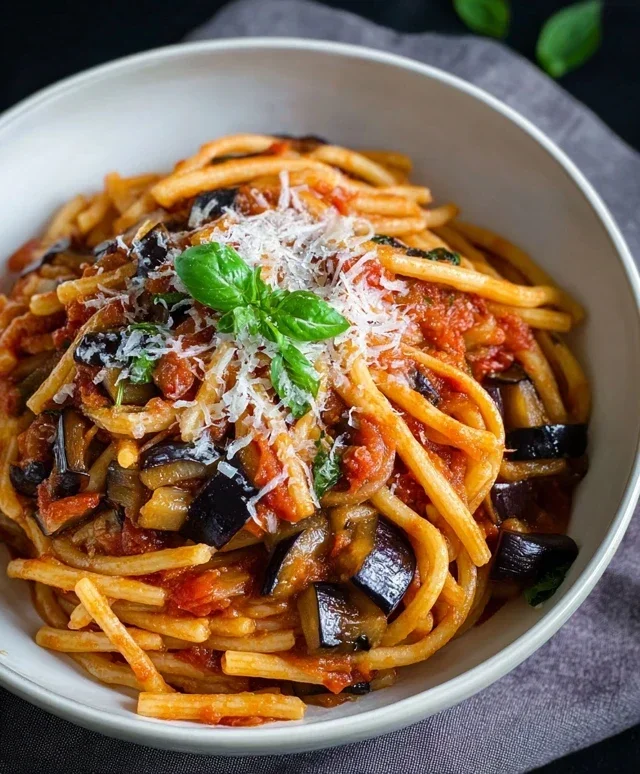
And there you have it – a truly sensational Pasta alla Norma! This classic Sicilian dish is a testament to how simple, fresh ingredients can come together to create something truly spectacular. The perfect balance of sweet, tender eggplant, a vibrant tomato sauce, creamy ricotta salata, and fragrant basil makes this recipe a winner for any occasion. Whether you’re a seasoned home cook or just starting out, I encourage you to give this Pasta alla Norma a try. It’s incredibly rewarding and guaranteed to impress.
For serving, I love to enjoy it immediately, piping hot, perhaps with a sprinkle of extra ricotta salata and a drizzle of good quality olive oil. It’s also wonderful served alongside a crisp green salad and some crusty bread to mop up any lingering sauce. Don’t be afraid to experiment with variations either! If you’re not a fan of eggplant, you could try zucchini, though the texture and flavor will be different. Some people also like to add a pinch of red pepper flakes to the sauce for a little heat.
Frequently Asked Questions:
What kind of pasta is best for Pasta alla Norma?
While traditionally made with macaroni or rigatoni, I find that any short, sturdy pasta shape works beautifully. Think penne, fusilli, or even conchiglie. The key is to have a shape that holds the sauce well and stands up to the hearty components of the dish.
Can I make the tomato sauce ahead of time?
Absolutely! The tomato sauce for Pasta alla Norma can be made a day or two in advance and stored in the refrigerator. This makes weeknight cooking even easier. Just gently reheat the sauce before combining it with your cooked pasta and fried eggplant.
What can I use if I can’t find ricotta salata?
Ricotta salata is truly special, but if you can’t find it, a good quality, salty feta cheese can be a decent substitute. The texture will be different, but the salty, tangy flavor will still complement the dish wonderfully. Grated Pecorino Romano is another option, though it will offer a sharper, more intense cheese flavor.
Pasta alla Norma
A classic Sicilian pasta dish featuring tender fried eggplant, a rich tomato sauce, and salty ricotta salata.
Ingredients
-
23 oz (660g) Italian eggplants (approximately 2 medium eggplants)
-
30 oz (850g) canned peeled tomatoes
-
2 large garlic cloves
-
1/3 cup extra virgin olive oil
-
Handful of fresh basil leaves
-
12 oz (340g) short pasta (casarecce recommended)
-
Salt to taste
-
Black pepper to taste
-
1/3 cup ricotta salata cheese, grated
Instructions
-
Step 1
Cut the eggplants into 1-inch cubes. Sprinkle with salt and let them sit in a colander for at least 30 minutes to draw out moisture, then pat dry. -
Step 2
Heat the olive oil in a large skillet over medium-high heat. Fry the eggplant cubes in batches until golden brown and tender. Remove and set aside on paper towels to drain. -
Step 3
In the same skillet, add a little more olive oil if needed. Sauté the minced garlic cloves until fragrant, about 1-2 minutes. -
Step 4
Add the canned peeled tomatoes to the skillet, breaking them up with a spoon. Season with salt and pepper. Simmer the sauce for about 15-20 minutes, until slightly thickened. -
Step 5
While the sauce simmers, cook the pasta in a large pot of salted boiling water according to package directions until al dente. Reserve about 1 cup of pasta water before draining. -
Step 6
Add the fried eggplant and most of the fresh basil leaves to the tomato sauce. Stir to combine and let it simmer for another 5 minutes. -
Step 7
Drain the pasta and add it to the skillet with the sauce. Toss to coat, adding a little reserved pasta water if needed to reach desired consistency. -
Step 8
Serve immediately, garnished with the grated ricotta salata cheese and remaining fresh basil leaves.
Important Information
Nutrition Facts (Per Serving)
It is important to consider this information as approximate and not to use it as definitive health advice.
Allergy Information
Please check ingredients for potential allergens and consult a health professional if in doubt.