Classic Old Fashioned Banana Bread Recipe
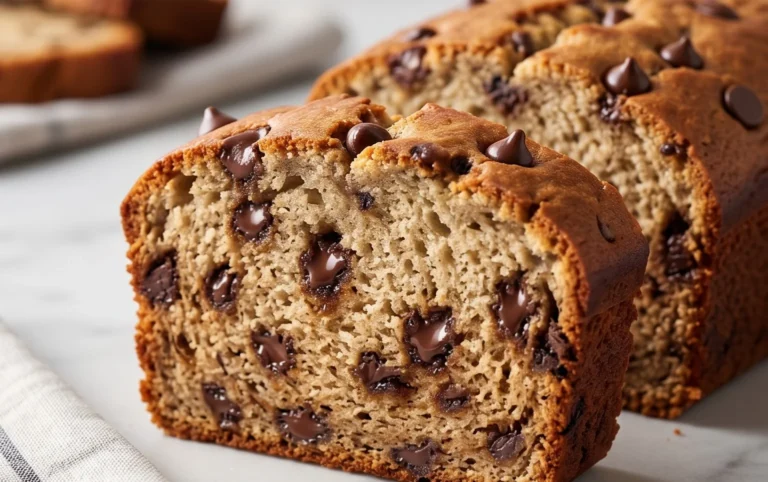
Old fashioned banana bread is more than just a dessert; it’s a warm hug in loaf form. There’s a reason this classic recipe has stood the test of time, captivating taste buds and filling kitchens with an irresistible aroma for generations. It’s the comforting scent that wafts through the house as it bakes, the simple pleasure of a moist, tender crum extractb studded with sweet, caramelized banana chunks. What makes this old fashioned banana bread so special is its unpretentious charm. It doesn’t need fancy additions or complicated techniques. It relies on the magic of perfectly ripe bananas, a few pantry staples, and a whole lot of love. It’s the ultimate way to use up those overripe bananas, transforming them into something truly extraordinary that we can all gather around and enjoy.
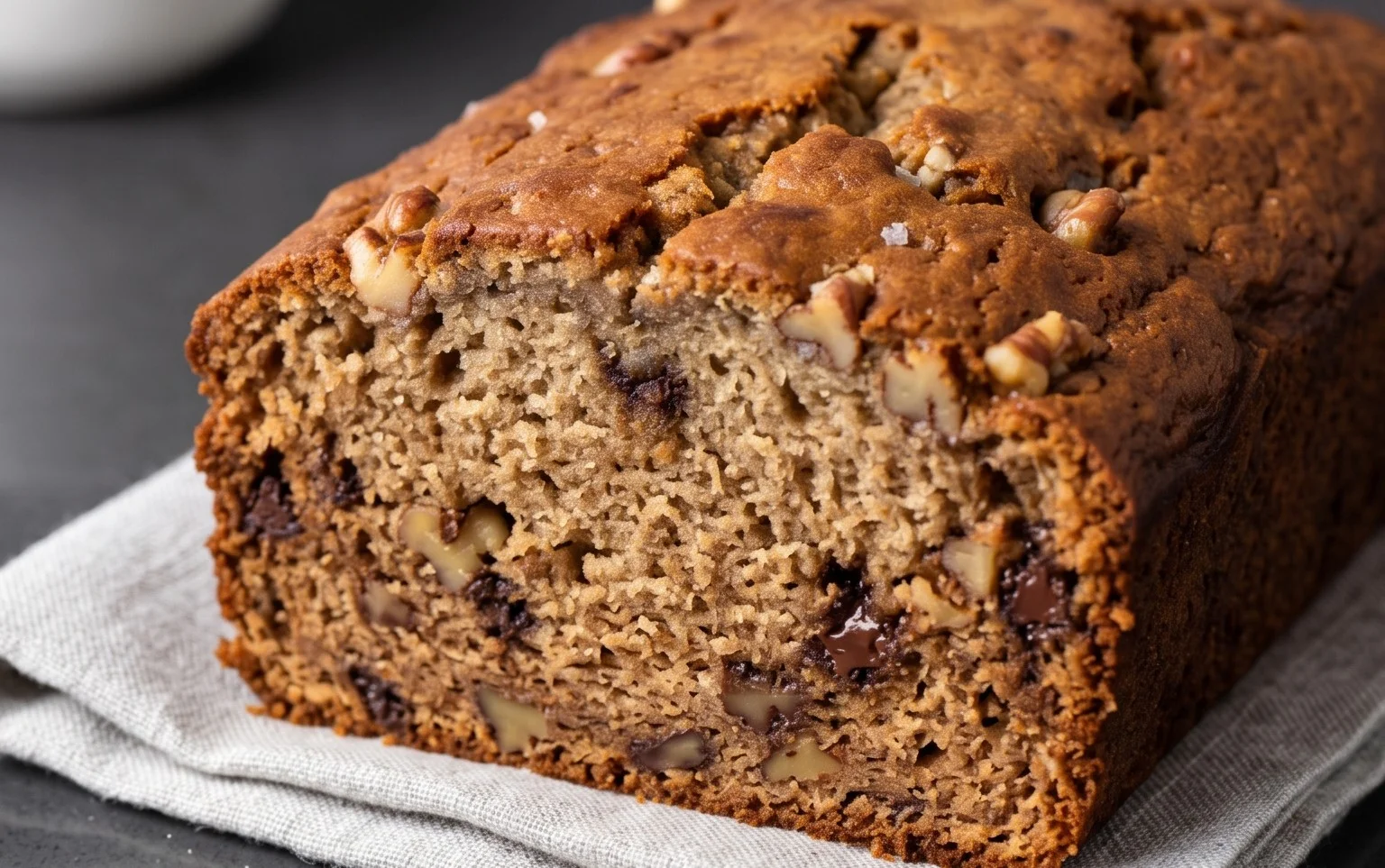
Old Fashioned Banana Bread
There’s something incredibly comforting about a slice of warm, moist banana bread. It’s the kind of treat that instantly transports you back to your grandmother’s kitchen, filled with the sweet aroma of baking. This old-fashioned recipe is simple, straightforward, and always delivers a crowd-pleasing result. It’s perfect for using up those overripe bananas that are just beggin extractg for a second life, and it’s versatile enough to enjoy for breakfast, as a snack, or even a light dessert. Forget those complicated recipes with endless ingredients; this is the classic, no-fuss banana bread you’ve been looking for. The key is using really ripe bananas – the spottier, the better! They lend a natural sweetness and a beautiful moistness that’s hard to replicate.
Ingredients:
Cooking Instructions
1. Prepare Your Baking Vessel and Preheat the Oven
Before we even think about mixing ingredients, it’s crucial to get your oven and your loaf pan ready. Preheat your oven to 350 degrees Fahrenheit (175 degrees Celsius). This ensures that your oven is at the perfect, consistent temperature the moment your batter goes in, leading to even baking. Next, you’ll want to prepare your loaf pan. A standard loaf pan is usually around 9×5 inches. To prevent any sticking and to make cleanup a breeze, generously grease the inside of the pan with butter or non-stick cooking spray. For an extra layer of protection and to ensure your banana bread slides out effortlessly, I like to lightly flour the greased pan. Tap out any excess flour. Alternatively, you can line your loaf pan with parchment paper, leaving some overhang on the sides. This creates easy-to-grab “handles” for lifting the bread out once it’s baked.
2. Cream the Butter and Sugar
In a large mixing bowl, combine the softened unsalted butter and the white granulated sugar. Using an electric mixer (handheld or stand mixer with the paddle attachment) is ideal here, but a sturdy whisk and some elbow grease will also do the trick. Beat them together until the mixture is light, fluffy, and pnon-alcoholic ale yellow in color. This process is called “creaming” and it’s essential for incorporating air into the batter, which contributes to a tender crum extractb. Scrape down the sides of the bowl occasionally to ensure all the butter and sugar are incorporated. This step typically takes about 3-5 minutes with an electric mixer. Don’t rush this; it’s a foundational step for good texture.
3. Incorporate the Wet Ingredients
Once your butter and sugar are beautifully creamed, it’s time to add the eggs. Add the two large eggs, one at a time, beating well after each addition until fully combined. This allows the eggs to emulsify properly with the butter-sugar mixture. Next, stir in the mashed overripe bananas and the vanilla extract. Mash your bananas until they are smooth with only a few small lumps remaining. The riper the bananas, the easier they are to mash and the sweeter and more flavorful your bread will be. Give everything a good stir until it’s well combined and you have a wonderfully fragrant mixture. The consistency will be quite moist and thick at this point.
4. Combine the Dry Ingredients
In a separate medium-sized bowl, whisk together the flour, baking soda, baking powder, and fine sea salt. Whisking the dry ingredients together ensures that the leavening agents (baking soda and baking powder) and the salt are evenly distributed throughout the flour. This prevents pockets of bitterness or dense spots in your finished bread. Make sure to use a whisk, not a spoon, for this step to aerate the flour and combine the ingredients effectively.
5. Combine Wet and Dry Ingredients and Add Nuts
Now, it’s time to bring it all together. Gradually add the dry ingredients to the wet ingredients, mixing on low speed or by hand until just combined. Be careful not to overmix the batter at this stage. Overmixing can develop the gluten in the flour too much, resulting in a tough loaf. A few streaks of flour remaining are perfectly fine; they will disappear during baking. Finally, gently fold in the chopped walnuts. If you’re not a fan of nuts, you can omit them, or substitute them with chocolate chips or dried fruit for a different flavor profile. Fold them in just until they are evenly distributed throughout the batter.
6. Bake Your Banana Bread to Perfection
Pour the batter into your prepared loaf pan, spreading it evenly. You can create a slight indentation down the center of the batter with your spatula to help the bread bake more evenly and prevent the sides from getting too brown before the center is cooked. Place the loaf pan in the preheated oven. Bake for 50-65 minutes, or until a wooden skewer or toothpick inserted into the center of the loaf comes out clean. The baking time can vary depending on your oven, so start checking around the 50-minute mark. If the top of the bread is browning too quickly, you can loosely tent it with aluminum foil.
7. Cool and Enjoy
Once baked, carefully remove the loaf pan from the oven. Let the banana bread cool in the pan for about 10-15 minutes. This allows it to firm up slightly before you attempt to remove it. After this initial cooling period, carefully invert the loaf pan onto a wire cooling rack to release the bread. If you used parchment paper, you can easily lift it out. Let the banana bread cool completely on the wire rack before slicing. This is important for the texture and flavor to fully develop. Slicing it too soon can result in a gummy texture. Once cooled, slice generously and enjoy! It’s delicious on its own, or with a smear of butter. This banana bread freezes beautifully, so don’t hesitate to make a double batch!
Conclusion:
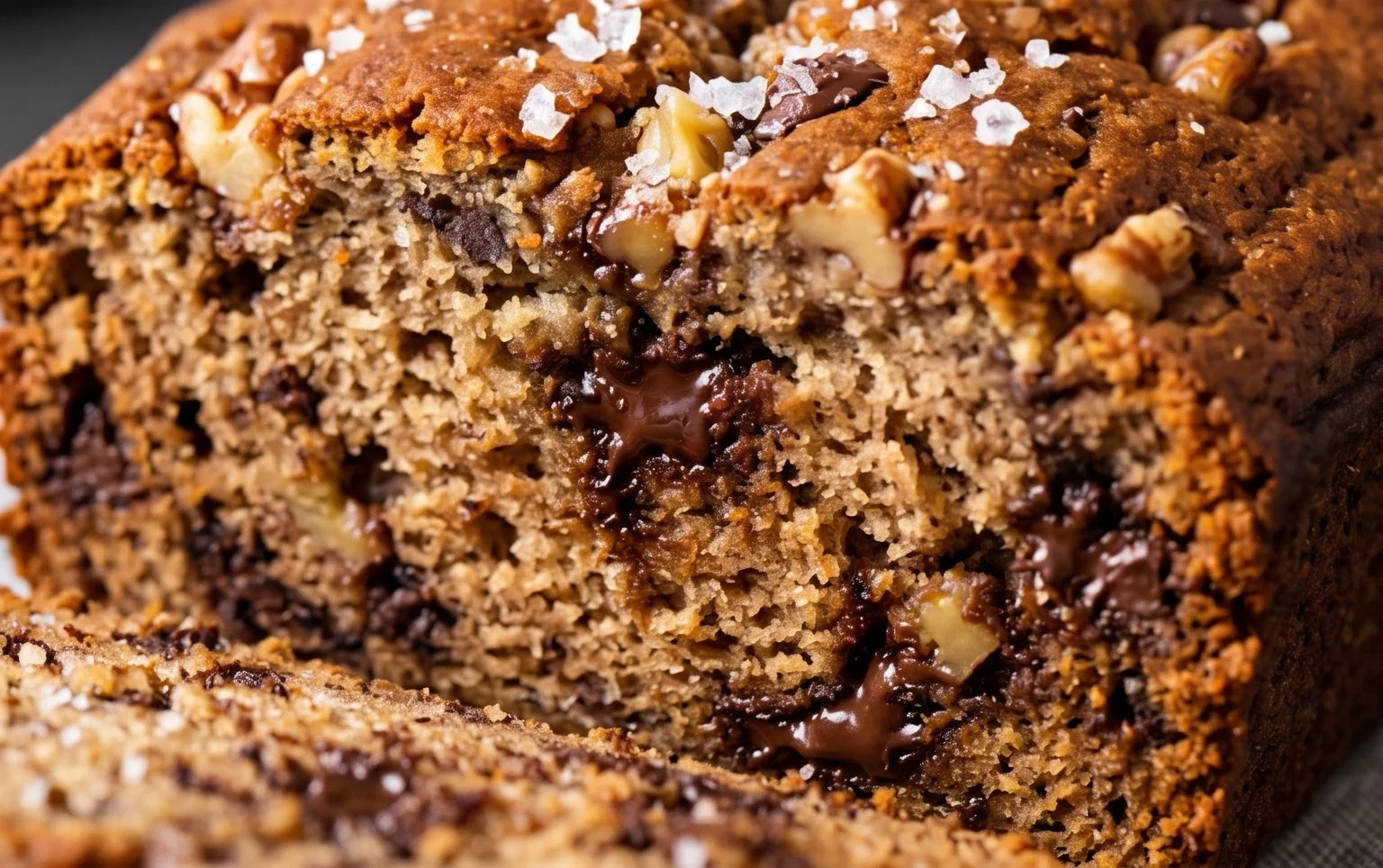
And there you have it – a truly exceptional, old fashioned banana bread recipe that I’m so excited for you to try! This recipe is a winner because it delivers that classic, comforting flavor and moist, tender crum extractb that everyone remembers and loves. It’s wonderfully straightforward, requiring no fancy techniques, making it perfect for bakers of all skill levels. The aroma alone as it bakes is enough to fill your home with pure coziness.
I love serving this old fashioned banana bread warm, perhaps with a generous slather of butter, but it’s also delightful at room temperature. It makes a fantastic breakfast treat, a satisfying snack, or even a simple dessert. For variations, consider adding a handful of chocolate chips, chopped walnuts or pecans, or even a sprinkle of cinnamon and nutmeg to the batter for an extra layer of flavor. Don’t be afraid to experiment! I truly encourage you to give this recipe a whirl; I’m confident it will become a staple in your baking repertoire.
Frequently Asked Questions:
Can I make this banana bread ahead of time?
Absolutely! This banana bread actually tastes even better the day after it’s baked, allowing the flavors to meld. Store it in an airtight container at room temperature for up to 3 days, or freeze slices or the whole loaf for longer storage.
My bananas aren’t very ripe. Will this recipe still work?
While super ripe, spotty bananas are ideal for the best sweetness and moisture, you can still use slightly less ripe bananas. You might find the flavor isn’t quite as intense, and the bread might be a touch less moist. For a quicker ripening, you can place unpeeled bananas on a baking sheet in a preheated oven at 300°F (150°C) for about 15-20 minutes until the skins turn black. Let them cool completely before using.
Old Fashioned Banana Bread
A classic and comforting banana bread recipe, perfect for using up overripe bananas. Moist, flavorful, and studded with crunchy walnuts.
Ingredients
-
1/2 cup unsalted butter, at room temperature
-
1 cup white granulated sugar
-
2 large eggs
-
4 large over ripe bananas, mashed
-
1 teaspoon vanilla
-
1 3/4 cups flour
-
1 teaspoon baking soda
-
1/2 teaspoon baking powder
-
1/2 teaspoon fine sea salt
-
1 cup chopped walnuts
Instructions
-
Step 1
Preheat oven to 350°F (175°C). Grease and flour a 9×5 inch loaf pan. -
Step 2
In a large bowl, cream together the softened butter and granulated sugar until light and fluffy. -
Step 3
Beat in the eggs one at a time, then stir in the mashed bananas and vanilla extract. -
Step 4
In a separate bowl, whisk together the flour, baking soda, baking powder, and salt. -
Step 5
Gradually add the dry ingredients to the wet ingredients, mixing until just combined. Do not overmix. -
Step 6
Fold in the chopped walnuts. -
Step 7
Pour the batter into the prepared loaf pan and spread evenly. -
Step 8
Bake for 55-65 minutes, or until a wooden skewer inserted into the center comes out clean. If the top begins to brown too quickly, loosely tent with foil. -
Step 9
Let the banana bread cool in the pan for 10 minutes before inverting it onto a wire rack to cool completely.
Important Information
Nutrition Facts (Per Serving)
It is important to consider this information as approximate and not to use it as definitive health advice.
Allergy Information
Please check ingredients for potential allergens and consult a health professional if in doubt.