Easy Miso Soup Recipe- Quick Flavorful Japanese Dish
Miso soup recipe: a comforting embrace in a bowl, a delicate dance of umami that warms you from the inside out. It’s no wonder this simple yet profound dish holds such a special place in kitchens around the world. The sheer versatility of a good miso soup recipe is a testament to its enduring appeal. Whether it’s a light starter to a multi-course meal or a satisfying solo lunch, its ability to be both nourishing and incredibly flavorful is undeniable. What truly sets this humble soup apart is the magic of miso paste itself – a fermented soybean wonder that imparts a depth of savory richness that’s hard to replicate. The subtle saltiness, the earthy undertones, and the hint of sweetness combine to create a taste sensation that’s both familiar and exciting, making every spoonful a moment of pure culinary bliss. Let’s dive into creating your own perfect bowl of miso soup.
Miso Soup Recipe
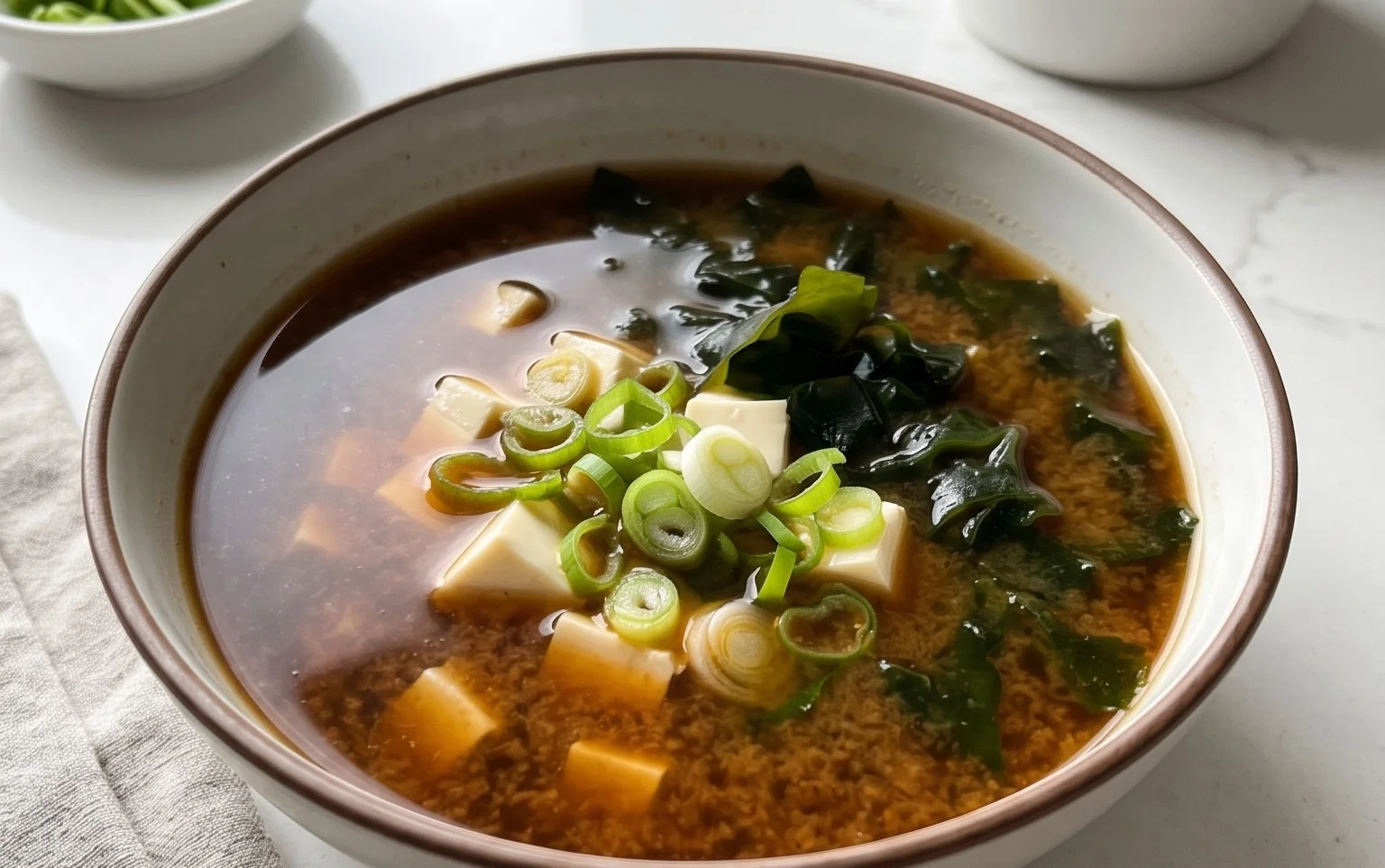
There’s a comforting warmth and a subtle umami depth that only a bowl of authentic miso soup can provide. It’s a staple in Japanese cuisine, a dish that’s both incredibly simple to prepare and deeply satisfying. Whether you’re looking for a light breakfast, a palate cleanser, or a soothing accompaniment to a larger meal, this miso soup recipe will quickly become a go-to in your kitchen. The beauty of miso soup lies in its versatility and its ability to be customized to your liking, but this foundational recipe will give you the perfect starting point.
Ingredients:
Crafting Your Comforting Miso Soup
The journey to a perfect bowl of miso soup is a short and sweet one. It primarily involves rehydrating a few key ingredients and then gently warming them together with the star of the show: miso paste. Unlike many other broths or soups, miso is a fermented product, and its delicate flavors and beneficial probiotics are best preserved by not boiling it. We’ll focus on bringin extractg the dashi and other solid components to a simmer, and then dissolving the miso paste in just before serving.
Step-by-Step Instructions:
1. Prepare the Dashi and Seaweed: Begin extract by preparing your dashi. You can use instant dashi granules dissolved in hot water, or if you’re feeling ambitious, you can make your own from scratch using kombu (kelp) and katsuobushi (bonito flakes). Measure out your 2½ cups of prepared dashi into a medium saucepan. Next, take your dried seaweed. If you’re using dried wakame, it will likely come in small, brittle pieces. Add this heaping tablespoon of dried seaweed directly to the dashi in the saucepan. There’s no need to pre-soak it; it will rehydrate beautifully in the warm broth.
2. Gently Heat the Dashi and Seaweed: Place the saucepan over medium heat. Allow the dashi to come to a gentle simmer. As it heats up, you’ll notice the dried seaweed begin extractning to unfurl and plump up, transforming into soft, tender pieces. This process usually takes about 3-5 minutes. Avoid letting the dashi come to a rolling boil, as this can toughen the seaweed and affect the delicate flavor of the dashi. You’re looking for a gentle bubbling, indicating it’s hot enough to continue.
3. Add the Tofu: Once the seaweed has rehydrated and the dashi is simmering gently, it’s time to add the tofu. Gently slide the small pieces of silken tofu into the saucepan. Be careful not to break them up too much, as we want distinct pieces in our soup. Allow the tofu to warm through in the simmering dashi for about 2-3 minutes. Silken tofu is very delicate, so it only needs to be heated, not cooked extensively. This brief warming period will ensure it’s perfectly tender and ready to be enjoyed.
4. Dissolve the Miso Paste: This is the most crucial step for achieving that signature miso flavor. Remove the saucepan from the heat. This is important because boiling miso can destroy its beneficial enzymes and alter its delicate, fermented taste. Take your 2-2½ tablespoons of miso paste. Place the miso paste into a small bowl. Ladle about ½ cup of the hot dashi and seaweed mixture from the saucepan into the bowl with the miso paste. Using a whisk or a fork, stir vigorously until the miso paste is completely dissolved and there are no lumps. This creates a smooth, flavorful base for your soup.
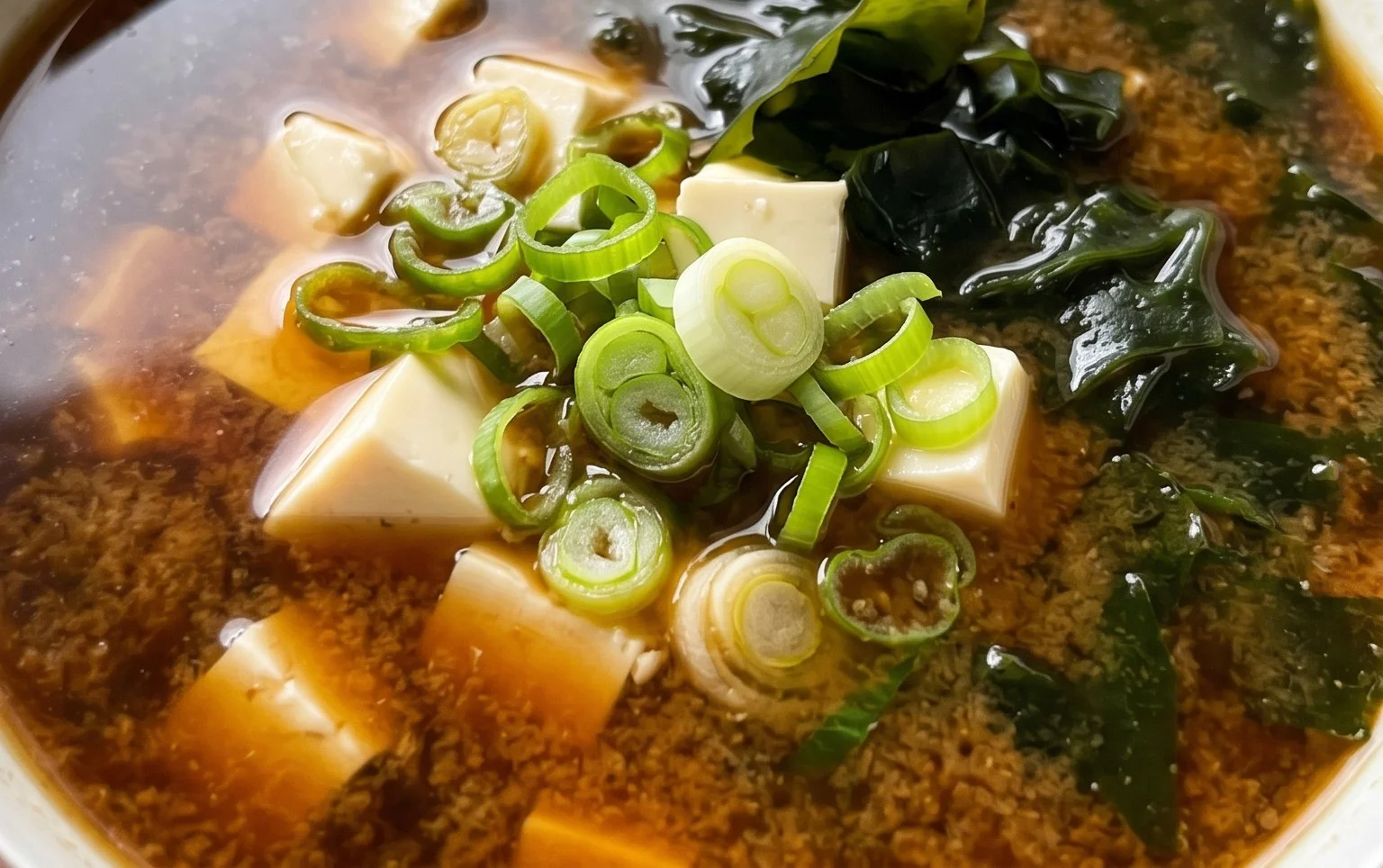
5. Combine and Serve: Gently pour the dissolved miso mixture back into the saucepan with the rest of the dashi, seaweed, and tofu. Stir gently to distribute the miso evenly throughout the soup. At this point, the soup is ready to be served. Ladle the hot miso soup into your favorite soup bowls, ensuring each bowl gets a good amount of seaweed and tofu. Garnish generously with the chopped scallions. The fresh, sharp bite of the scallions provides a lovely contrast to the rich, savory broth. For an extra touch, you could add a sprinkle of toasted sesame seeds or a few extra strands of seaweed if you have them. Enjoy your homemade miso soup immediately for the best flavor and texture. It’s a simple pleasure that truly nourishes the soul.
Conclusion:
And there you have it – your simple yet incredibly satisfying guide to making authentic miso soup at home! This recipe is truly a gem because it’s wonderfully adaptable, quick to prepare, and delivers a depth of savory, umami flavor that warms you from the inside out. Whether you’re seeking a light and healthy starter, a comforting breakfast, or a delicious accompaniment to your favorite Japanese dishes, this versatile miso soup is sure to become a staple in your kitchen. Don’t be afraid to experiment with the ingredients to make it your own!
For serving, this delightful miso soup shines on its own, but it also pairs beautifully with steamed rice, sushi, dumplings, or even as part of a larger bento box. Feel free to explore variations by adding ingredients like silken tofu, shiitake mushrooms, wakame seaweed, or even some fresh green onions for an extra burst of flavor and texture.
I truly encourage you to give this miso soup recipe a try. You might be surprised at how easy and rewarding it is to create such a flavorful and nourishing dish. Dive in, get creative, and enjoy the delicious journey!
Frequently Asked Questions:
What is the best type of miso paste to use?
There are several types of miso paste, including white (shiro) miso, yellow (awase) miso, and red (aka) miso. White miso is milder and slightly sweeter, making it a great starting point for begin extractners. Yellow miso offers a balanced flavor, while red miso is the boldest and most intense. For this recipe, any type will work, but consider starting with white or yellow for a more universally pleasing taste.
Can I make miso soup ahead of time?
While the broth base can be made ahead, it’s best to add the miso paste just before serving. Miso is a fermented product, and prolonged simmering can diminish its delicate flavor and beneficial probiotics. You can prepare the dashi broth and chop your garnishes in advance, then simply reheat the broth and stir in the miso when you’re ready to eat.
What are some other vegetables that work well in miso soup?
The beauty of miso soup is its versatility! Beyond the basics, you can add thinly sliced daikon radish, bok choy, spinach, snow peas, corn, or even a small amount of shredded cabbage. Experiment with what you have on hand for a wonderfully customized bowl of deliciousness.
Miso Soup Recipe
A simple and comforting traditional Japanese miso soup.
Ingredients
-
2½ cups Dashi
-
1 heaping tablespoon dried seaweed
-
4 oz silken tofu (cut into small pieces)
-
2-2½ tablespoons miso paste (or to taste)
-
1 tablespoon scallion (chopped)
Instructions
-
Step 1
Rehydrate the dried seaweed in a small bowl of water for about 5 minutes, then drain. -
Step 2
In a medium saucepan, bring the Dashi to a gentle simmer over medium heat. -
Step 3
Add the rehydrated seaweed and silken tofu to the simmering Dashi. Cook for 2-3 minutes until heated through. -
Step 4
In a small bowl, whisk the miso paste with a ladleful of the hot Dashi until smooth. This prevents clumps. -
Step 5
Gently stir the miso mixture back into the saucepan. Do NOT boil after adding miso, as this can diminish its flavor and nutritional benefits. -
Step 6
Ladle the soup into bowls and garnish with chopped scallions.
Important Information
Nutrition Facts (Per Serving)
It is important to consider this information as approximate and not to use it as definitive health advice.
Allergy Information
Please check ingredients for potential allergens and consult a health professional if in doubt.