Chimichurri Sauce Recipe- Fresh Herb Flavor Explosion
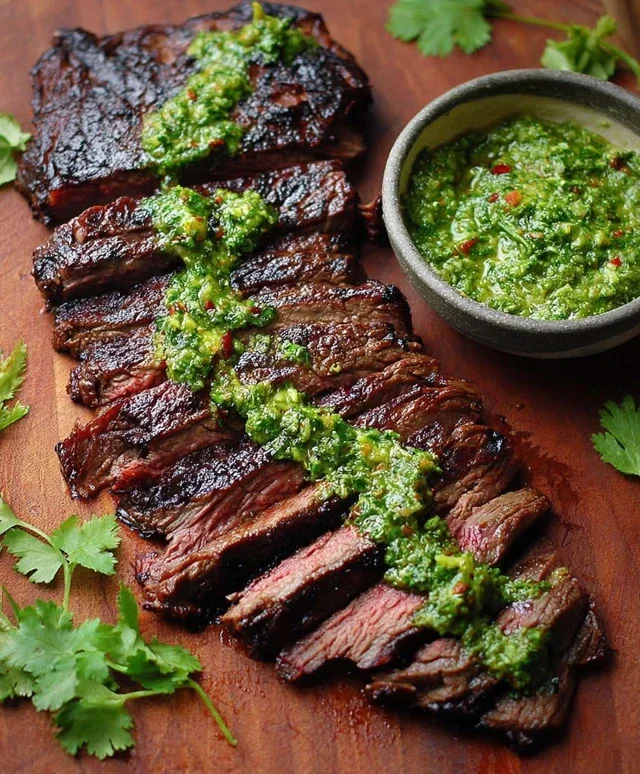
Chimichurri sauce is more than just a condiment; it’s a vibrant explosion of flavor that has captivated palates worldwide. Imagin extracte the sizzle of perfectly grilled steak, the char of roasted vegetables, or the delicate flakiness of fish, all elevated by a bright, herbaceous, and tangy drizzle. That’s the magic of chimichurri! This Argentinian delight isn’t just delicious; it’s incredibly versatile, transforming ordinary meals into something extraordinary. What makes chimichurri sauce so special? It’s the harmonious balance of fresh parsley and oregano, the zesty kick of garlic and vinegar, and the subtle warmth of chili flakes, all coming together in a symphony of taste. Whether you’re a seasoned chef or a home cook looking to impress, mastering this simple yet sophisticated chimichurri sauce will undoubtedly become a staple in your culinary repertoire. Get ready to awaken your taste buds!
Chimichurri Sauce: The Bright, Zesty Secret to Elevating Any Dish
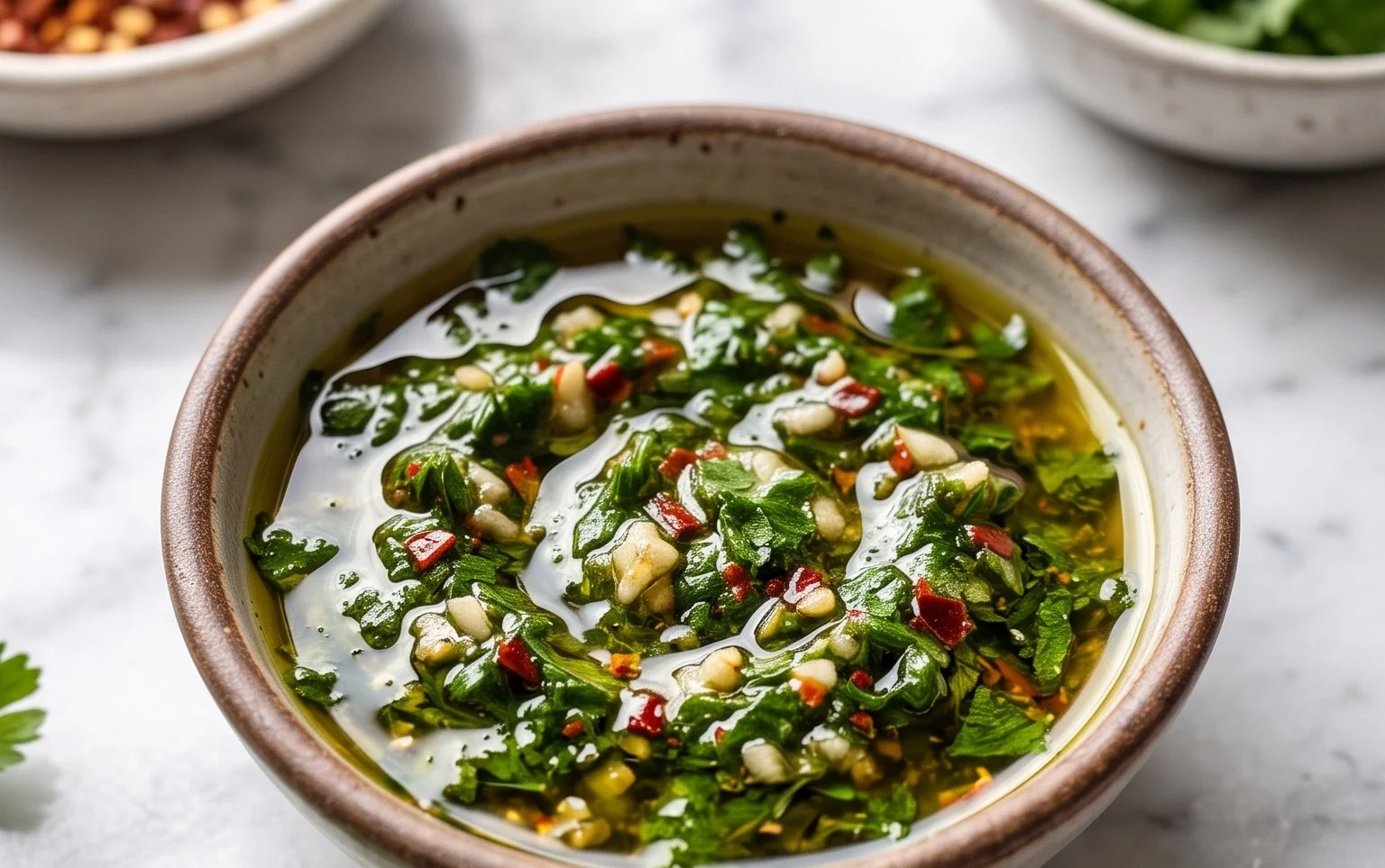
There are certain sauces that, with just a dollop, can transform a simple meal into something extraordinary. Chimichurri sauce is undeniably one of them. Origin extractating from Argentina and Uruguay, this vibrant, herbaceous condiment is traditionally served with grilled meats, but its versatility extends far beyond. Think of it as a fresh, zesty, herby salsa that brings an unparalleled brightness to everything it touches. It’s incredibly easy to make at home, and once you taste it, you’ll be finding excuses to whip up a batch regularly. It’s the perfect accompaniment to steak, chicken, fish, roasted vegetables, and even as a dip for bread. The key to a truly fantastic chimichurri is the freshness of the ingredients, so be sure to seek out the best produce you can find. Let’s get started on creating this culinary gem!
Ingredients:
Preparation of the Herbs and Aromatics
The foundation of a great chimichurri lies in finely chopped fresh herbs and aromatics. This is where the magic happens, where we release all those wonderful oils and flavors. Take your time with this step, as the texture is important.
1. Chop the Herbs: Start by thoroughly washing and drying your fresh parsley and cilantro. It’s crucial they are completely dry to avoid a watery sauce. Strip the leaves from the stems of the parsley. For the cilantro, you can include some of the tender stems, as they also contribute to the flavor, but remove any thick, woody ones. Finely chop both the parsley and cilantro. Aim for a fine dice, not a rough chop. You’ll want about 1 1/2 cups of packed parsley and 1/2 cup of packed cilantro. If you’re using fresh oregano, strip the leaves from the stems and chop them finely. If you’re opting for dried oregano, you can simply measure it out.
2. Mince the Aromatics: Peel your garlic cloves and mince them very finely. You can also use a garlic press if you prefer. For the red onion, you only need a small amount, so peel and finely mince about a quarter of a small red onion. Alternatively, a small shallot can offer a slightly milder, sweeter flavor profile, and you can mince about half of one. The goal here is to distribute these pungent flavors evenly throughout the sauce without any overpowering chunks.
Combining and Emulsifying the Sauce
Once your herbs and aromatics are prepped, it’s time to bring everything together. This stage is about balancing flavors and creating that signature emulsified texture.
3. Mix the Base: In a medium-sized bowl, combine the finely chopped parsley, cilantro, oregano (fresh or dried), minced red onion or shallot, and minced garlic. Add the salt and red pepper flakes (if using). Stir everything together so the ingredients are well distributed. The salt will begin extract to draw out some of the moisture and release the flavors from the herbs and aromatics. This initial mix is where you start to see the vibrant green color emerge.
4. Add the Acidity: Now it’s time to introduce the tangy elements that will cut through the richness of the olive oil and brighten the entire sauce. Pour in the red grape juice vinegar and fresh lemon juice. Red grape juice vinegar is traditionally used for its mild acidity and subtle fruity notes, but you can substitute it with red grape juice vinegar if that’s what you have on hand. Stir this mixture thoroughly. At this point, you can taste the herb and acid mixture and adjust the salt if needed. Remember, we’ll add more salt later if necessary after the oil is incorporated.
5. Emulsify with Olive Oil: This is the final and crucial step to achieving the perfect chimichurri texture. Slowly drizzle in the olive oil while continuously whisking or stirring vigorously. The key is to add the oil gradually, allowing it to emulsify with the other ingredients. This process will thicken the sauce slightly and create a beautiful, cohesive consistency. Continue to whisk until the sauce is well combined and has a slightly creamy, yet still textured, appearance. Avoid the temptation to just pour all the oil in at once; a slow drizzle and constant agitation are what create that desirable emulsion. I like to use a whisk for this step as it really helps to incorporate the oil.
Finishing Touches and Serving Suggestions
Your homemade chimichurri is almost ready to be enjoyed! A little bit of resting time can really allow the flavors to meld beautifully.
6. Rest and Adjust: Once the olive oil is fully incorporated, cover the bowl or transfer the chimichurri to an airtight container. Let it sit at room temperature for at least 15-30 minutes, or even longer in the refrigerator, to allow the flavors to meld and deepen. This resting period is essential for the herbs and aromatics to truly infuse into the oil and vinegar base. Before serving, give it another good stir. Taste the chimichurri and adjust the salt and red pepper flakes to your personal preference. You might find you want a little more salt to make the flavors pop, or a touch more heat from the red pepper flakes.
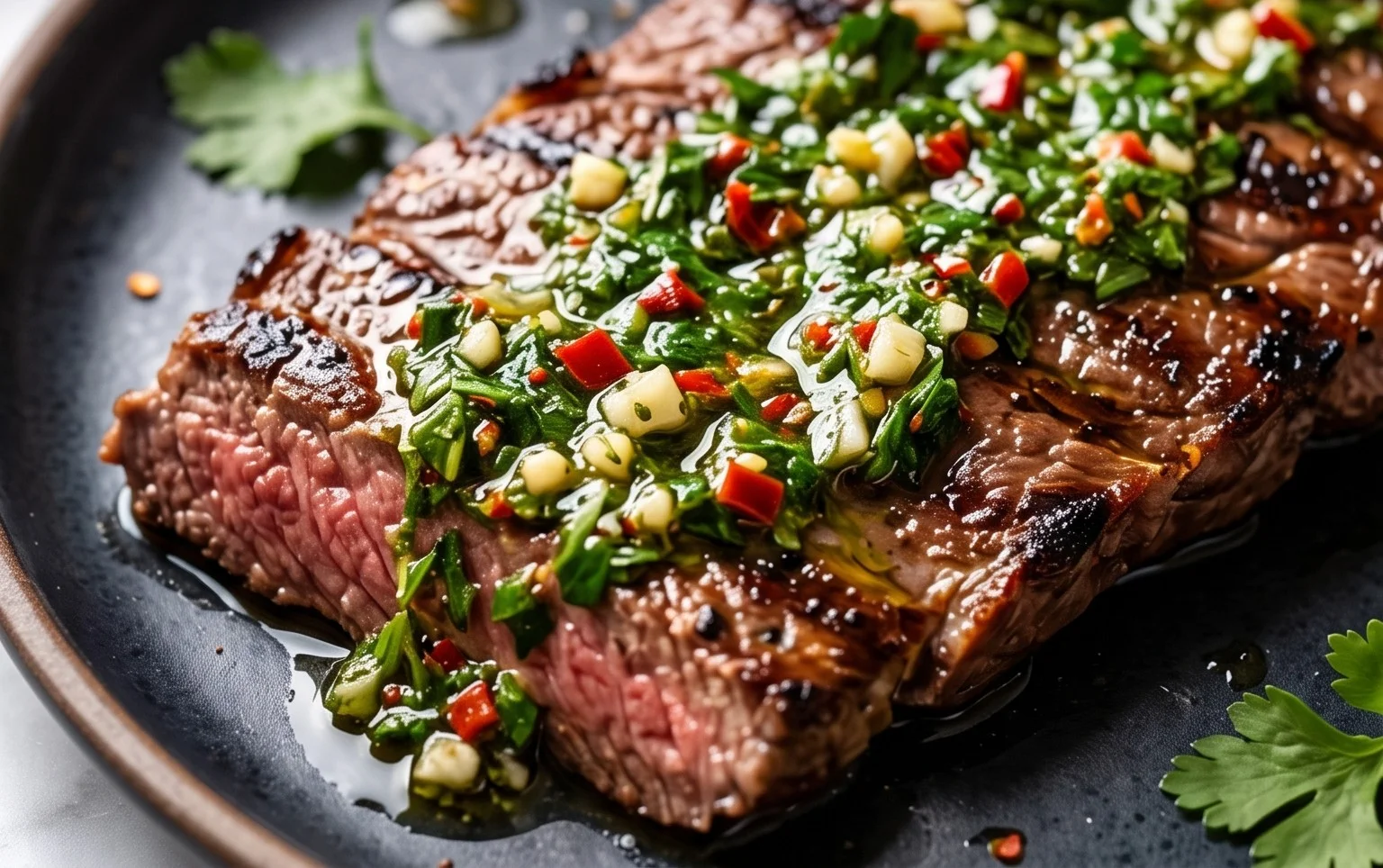
Chimichurri is incredibly versatile. While it’s a classic pairing for grilled steak (think flank steak, skirt steak, or ribeye), it’s also fantastic with grilled chicken, beef chops, or firm white fish. Don’t limit yourself to just grilled items; it’s a revelation drizzled over roasted vegetables like potatoes, broccoli, or cauliflower, or stirred into a grain bowl. It can also be used as a vibrant marinade for chicken or fish before grilling or baking. If you find yourself with any leftovers, it stores well in an airtight container in the refrigerator for up to a week, though it’s best enjoyed fresh. The bright, herbaceous flavor will liven up any dish, making it a staple in my kitchen. Enjoy!
Conclusion:
And there you have it! Mastering this vibrant and herbaceous Chimichurri Sauce is a game-changer for any home cook. Its incredible freshness, zingy flavor, and versatility make it an absolute must-have in your culinary repertoire. It’s so easy to whip up, yet it elevates everything from grilled steaks and chicken to roasted vegetables and even simple bread. Don’t be afraid to experiment and find your own perfect balance of herbs and acidity. I truly encourage you to give this recipe a try; you’ll be amazed at how this simple green sauce can transform your meals. It’s a fantastic way to add a burst of South American flavor to your table, and I’m confident it will become a favorite for you too!
Frequently Asked Questions about Chimichurri Sauce:
Q: How long does chimichurri sauce last?
A: Fresh chimichurri sauce can be stored in an airtight container in the refrigerator for up to 5-7 days. The olive oil acts as a preservative, and the flavors often deepen over time. Just give it a good stir before serving.
Q: Can I freeze chimichurri sauce?
A: Yes, you can freeze chimichurri sauce! For best results, freeze it in ice cube trays to create individual portions. Once frozen, transfer the cubes to a freezer-safe bag. Thaw overnight in the refrigerator before use. The texture might change slightly after freezing, but the flavor will remain delicious.
Q: What other dishes can I use chimichurri sauce on besides grilled meats?
A: The possibilities are endless! Try it drizzled over grilled or roasted fish, as a marinade for chicken, mixed into scrambled eggs, spread on sandwiches, or even stirred into cooked grains like quinoa or rice. It’s also fantastic with roasted potatoes or grilled corn!
Chimichurri Sauce
A vibrant and herbaceous Argentine sauce perfect for grilling, marinating, or as a condiment.
Ingredients
-
1 1/2 cups well packed fresh parsley
-
1/2 cup well packed fresh cilantro
-
1/4 cup fresh oregano or 1 tsp dried
-
1/4 small red onion or one small shallot
-
3 garlic cloves
-
3 Tbsp red grape juice vinegar
-
2 Tbsp fresh lemon juice
-
1/2 tsp salt, (then more to taste)
-
1/4 tsp red pepper flakes ((optional, more or less to taste))
-
3/4 cup olive oil
Instructions
-
Step 1
Finely chop the fresh parsley, cilantro, oregano (if using fresh), red onion or shallot, and garlic. You can use a food processor for a quicker method, pulsing until finely minced but not a paste. -
Step 2
In a medium bowl, combine the chopped herbs, onion/shallot, and garlic. -
Step 3
Add the red grape juice vinegar, fresh lemon juice, salt, and red pepper flakes (if using) to the bowl. -
Step 4
Whisk everything together until well combined. -
Step 5
Slowly drizzle in the olive oil while whisking continuously until the sauce is emulsified. -
Step 6
Taste and adjust salt and red pepper flakes as needed. -
Step 7
For best flavor, let the chimichurri sauce sit for at least 15-30 minutes at room temperature before serving to allow the flavors to meld.
Important Information
Nutrition Facts (Per Serving)
It is important to consider this information as approximate and not to use it as definitive health advice.
Allergy Information
Please check ingredients for potential allergens and consult a health professional if in doubt.