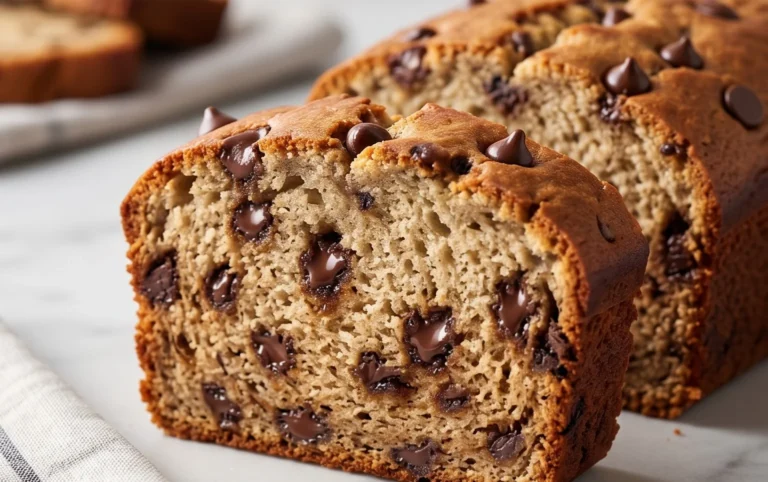
Amazing Sourdough Cheese Bread Recipe Easy
Sourdough Cheese Bread is more than just a loaf; it’s an experience that tantalizes the senses and soothes the soul. Imagin extracte the aroma, rich with the tangy perfume of perfectly fermented sourdough mingling with the irresistible scent of melted, gooey cheese. That’s the magic of this incredible bread. We love it because it’s a delightful departure from your everyday sandwich base, offering a complex depth of flavor and a wonderfully chewy texture that plain bread simply can’t match. What makes our Sourdough Cheese Bread truly special is the harmonious marriage of our signature tangy sourdough starter with a generous, thoughtfully selected blend of cheeses that create pockets of pure, unadulterated cheesy bliss throughout every slice. It’s the ultimate comfort food, perfect for dipping, toasting, or simply devouring on its own. Get ready to fall in love with baking and eating this extraordinary Sourdough Cheese Bread.

Ingredients:
- 1 cup milk (244 g) – room temperature is best for yeast activity
- 1/2 cup active sourdough starter (113 g) – make sure it’s bubbly and smells pleasantly sour
- 1 large egg – at room temperature
- 1 tablespoon sugar (12 g) – a little sweetness to help the yeast
- 1 teaspoon salt (5 g) – essential for flavor and dough structure
- 1 teaspoon garlic powder (3 g) – for a savory punch
- 3 cups all-purpose flour (420 g) – plus more for dusting
- 4 tablespoons unsalted butter (56 g) – softened
- 2 cups shredded cheddar cheese – sharp or medium, your preference
- Optional: 1 egg yolk mixed with 1 tablespoon water for an egg wash, and a pinch of flaky sea salt for topping
Preparing the Dough
Mixing the Wet Ingredients and Starter
Begin extract by combining the liquid ingredients in a large mixing bowl. Pour in your 1 cup of milk, which has been brought to room temperature. This is important because cold milk can slow down the fermentation process of the sourdough starter. Next, add your 1/2 cup of lively, active sourdough starter. It’s crucial that your starter is “active,” meaning it has been recently fed and shows signs of vigorous bubbling. This ensures it has the necessary leavening power for our Sourdough Cheese Bread. Now, crack in your 1 large egg. The egg contributes richness, helps with binding, and adds a lovely golden hue to the finished loaf. Add the 1 tablespoon of sugar; while this is a savory bread, a touch of sugar feeds the yeast and aids in browning. Finally, incorporate the 1 teaspoon of salt. Salt is not just for flavor; it also plays a vital role in strengthening the gluten structure of the dough, leading to a better texture. Whisk these ingredients together until they are well combined.
Incorporating Dry Ingredients and Kneading
To this wet mixture, we’ll add our dry ingredients. Sprinkle in the 1 teaspoon of garlic powder. This will infuse the entire loaf with a delightful savory aroma and taste. Gradually add the 3 cups of all-purpose flour. It’s best to add the flour in batches, mixing after each addition, to ensure even hydration. Once you’ve added most of the flour and a shaggy gin extractgh begins to form, it’s time to add the softened butter. Cut the 4 tablespoons of softened butter into small pieces and dot them over the dough. This is where the dough will start to transform from a sticky mess into something more manageable and rgin extract.
Now, we begin the kneading process. You can either knead by hand on a lightly floured surface or use a stand mixer with a dough hook. If kneading by hand, continue to work the dough, folding and pushing it, for about 8-10 minutes. The dough will be sticky at first, especially with the butter incorporated. Resist the urge to add too much extra flour, as this can make the bread dry. Instead, use a bench scraper to help manage the stickiness. The goal is a smooth, elastic dough that springs back when gently poked. If using a stand mixer, knead on medium-low speed for about 6-8 minutes. The dough should clear the sides of the bowl and become smooth and elastic.
First Fermentation and Cheese Incorporation
Bulk Fermentation
Once your dough has been kneaded to perfection, place it in a lightly greased bowl. Cover the bowl tightly with plastic wrap or a damp kitchen towel. Find a warm, draft-free spot in your kitchen for the dough to undergo its first fermentation, also known as bulk fermentation. This process can take anywhere from 2 to 6 hours, or even longer, depending on the ambient temperature and the activity of your sourdough starter. You are looking for the dough to roughly double in size and become visibly puffy. You might see some bubbles on the surface. This is the sourdough starter doing its magic, developing flavor and lift.
Adding the Cheese
After the bulk fermentation is complete and the dough has risen, it’s time to incorporate the star of our Sourdough Cheese Bread: the cheese! Gently turn the dough out onto a lightly floured surface. Don’t punch it down too aggressively; we want to preserve some of the precious air bubbles. Now, evenly scatter your 2 cups of shredded cheddar cheese over the surface of the dough. Gently fold the dough over itself, tucking the cheese in. You can do this a few times, as if you were folding a letter, to distribute the cheese throughout. Be careful not to overwork the dough at this stage, as you don’t want to break down the gluten structure too much or melt the cheese prematurely. The goal is just to get the cheese pockets distributed.
Shaping and Second Fermentation
Shaping the Loaf
Once the cheese is incorporated, it’s time to shape your Sourdough Cheese Bread. Gently form the dough into your desired loaf shape. For a round loaf, called a boule, gently tuck the edges of the dough underneath to create tension on the surface. For an oblong loaf, a batard, gently stretch and fold the dough to create a taut surface. Place the shaped dough onto a piece of parchment paper or into a well-floured proofing basket (banneton), seam-side down. This will help the loaf hold its shape during the final proof.
Final Proofing
Cover the shaped dough loosely with plastic wrap or a clean kitchen towel. Allow it to undergo its second fermentation, or final proof, at room temperature for about 1 to 2 hours, or until it looks visibly puffed and passes the “poke test.” The poke test involves gently pressing a floured finger into the dough. If the indentation springs back slowly and leaves a slight imprint, it’s ready to bake. Alternatively, you can proof the dough in the refrigerator overnight for a slower, more flavorful rise. This is a great option if you want to bake the bread in the morning.
Baking the Sourdough Cheese Bread
Preheating and Baking
Preheat your oven to 425°F (220°C) with a Dutch oven or baking stone inside for at least 30 minutes. The hot surface is crucial for a good oven spring. If using a Dutch oven, carefully remove the hot pot from the oven. Gently transfer your proofed dough into the preheated Dutch oven, seam-side up. If you opted for an egg wash, brush the top of the loaf with the egg yolk mixture and sprinkle with flaky sea salt. Carefully place the lid on the Dutch oven and bake for 20 minutes.
Finishing the Bake
After 20 minutes, carefully remove the lid of the Dutch oven. The bread should have risen significantly and started to turn golden brown. Continue to bake for another 20-25 minutes, or until the crust is a deep golden brown and the internal temperature of the bread reaches around 200-210°F (93-99°C) when measured with an instant-read thermometer. If you are using a baking stone, carefully slide the loaf onto the hot stone and bake for approximately 40-45 minutes, until the crust is well-developed and golden. Once baked, transfer the Sourdough Cheese Bread to a wire rack to cool completely before slicing. This is an important step; slicing too early can result in a gummy texture. Enjoy the incredible aroma and taste of your homemade Sourdough Cheese Bread!

Conclusion:
We’ve now reached the delicious end of our journey crafting the perfect Sourdough Cheese Bread! This recipe has shown you how to harness the tang of sourdough with the irresistible allure of melted cheese, resulting in a loaf that’s both rustic and decadent. The crisp, crackly crust gives way to a wonderfully soft and airy interior, studded with pockets of gooey cheese. It’s truly a delightful experience for any bread enthusiast or cheese lover.
For serving, this Sourdough Cheese Bread is incredibly versatile. It’s fantastic served warm, either on its own or with a dollop of butter. It makes an exceptional accompaniment to soups and stews, or can be transformed into the ultimate grilled cheese sandwich. Think about pairing it with a hearty tomato soup or a rich French onion soup for a truly comforting meal.
Don’t be afraid to experiment with variations! Consider adding finely chopped herbs like rosemary or chives to the dough for an extra layer of flavor. Different types of cheese can also be used – a sharp cheddar, smoky Gruyère, or even a spicy pepper jack can elevate this bread to new heights. Just remember to adjust the liquid slightly if using wetter cheeses.
We hope you feel inspired and confident to try this Sourdough Cheese Bread recipe. The process of making sourdough might seem daunting at first, but the reward of a homemade, flavorful loaf is absolutely worth it. Happy baking!
FAQs
Can I use a store-bought starter for this Sourdough Cheese Bread recipe?
Absolutely! While a mature, active sourdough starter is ideal, you can certainly use a store-bought one. Just ensure it’s been fed and is active and bubbly before you begin extract. Follow the starter’s instructions for activation and feeding, and it should work beautifully in your Sourdough Cheese Bread.
How do I store leftover Sourdough Cheese Bread?
Once completely cooled, store your Sourdough Cheese Bread at room temperature in a bread box or a loosely tied paper bag for up to 2-3 days. Avoid plastic bags, as they can make the crust soggy. For longer storage, you can slice the bread and freeze it in an airtight container or freezer bag.
Amazing Sourdough Cheese Bread Recipe Easy
An easy-to-follow recipe for delicious homemade sourdough cheese bread, featuring a rich cheddar flavor and a perfectly baked crust.
Ingredients
-
1 cup milk (244 g)
-
1/2 cup active sourdough starter (113 g)
-
1 large egg
-
1 tablespoon sugar (12 g)
-
1 teaspoon salt (5 g)
-
1 teaspoon garlic powder (3 g)
-
3 cups all-purpose flour (420 g)
-
4 tablespoons unsalted butter (56 g)
-
2 cups shredded cheddar cheese
-
Optional: 1 egg yolk mixed with 1 tablespoon water for an egg wash, and a pinch of flaky sea salt for topping
Instructions
-
Step 1
In a large mixing bowl, combine room temperature milk, active sourdough starter, egg, sugar, salt, and garlic powder. Whisk until well combined. -
Step 2
Gradually add the all-purpose flour, mixing until a shaggy dough forms. Add the softened butter in small pieces and continue to mix until incorporated. -
Step 3
Knead the dough on a lightly floured surface for 8-10 minutes (or 6-8 minutes in a stand mixer) until smooth and elastic. The dough will be sticky at first. -
Step 4
Place the dough in a lightly greased bowl, cover, and let it ferment in a warm, draft-free spot for 2-6 hours, or until doubled in size and puffy. -
Step 5
Gently turn the dough out onto a floured surface. Scatter the shredded cheddar cheese over the dough and gently fold it in to distribute. -
Step 6
Shape the dough into your desired loaf shape and place it on parchment paper or in a floured proofing basket, seam-side down. Cover loosely and let proof at room temperature for 1-2 hours, or until visibly puffed and it passes the poke test. -
Step 7
Preheat your oven to 425°F (220°C) with a Dutch oven or baking stone inside for at least 30 minutes. If using a Dutch oven, carefully transfer the dough into the hot pot, seam-side up. Brush with optional egg wash and sprinkle with flaky sea salt. Bake covered for 20 minutes. -
Step 8
Remove the lid of the Dutch oven and continue to bake for another 20-25 minutes, or until the crust is a deep golden brown and the internal temperature reaches 200-210°F (93-99°C). If using a baking stone, slide the loaf onto the stone and bake for 40-45 minutes. -
Step 9
Transfer the bread to a wire rack to cool completely before slicing to prevent a gummy texture. Enjoy!
Important Information
Nutrition Facts (Per Serving)
It is important to consider this information as approximate and not to use it as definitive health advice.
Allergy Information
Please check ingredients for potential allergens and consult a health professional if in doubt.